In the theater of American politics, few scripts have been as surreal as the events that unfolded in Washington, D.C., on November 21, 2025. Within a span of eight hours, the nation’s capital played host to two seemingly contradictory events: a fierce bipartisan denunciation of “socialism” on the House floor, followed by an unexpectedly cordial Oval Office meeting between President Donald Trump and the man who inspired the resolution, New York City Mayor-elect Zohran Mamdani. The day was a masterclass in the tension between symbolic ideological warfare and the pragmatic realities of governance.
The Vote: A Bipartisan Rebuke
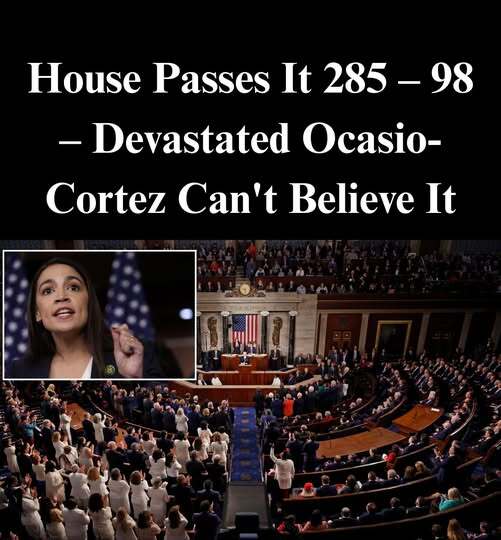
Hours before Mamdani set foot in the White House, the House of Representatives passed H. Con. Res. 58, titled “Denouncing the Horrors of Socialism.”2 Introduced by Rep. Maria Elvira Salazar (R-FL), the resolution passed with a commanding 285–98 vote.
The tally was a significant indicator of the current political climate:
Republicans: Voted unanimously (199-0) in favor.3
Democrats: Split, with 86 joining Republicans and 98 opposing.4
Key Democratic Support: Notable “yes” votes included House Minority Leader Hakeem Jeffries and several members of the New York delegation, signaling an effort by party leadership to distance the national brand from the “socialist” label ahead of the 2026 midterms.5
The resolution cited a death toll of over 100 million at the hands of socialist regimes, explicitly name-checking the Soviet Union, China, Cuba, and Venezuela.6 To critics, it was a “McCarthyist” stunt; to supporters, it was a necessary moral firewall against Mamdani’s “poisonous” agenda.7
The Meeting: “Great Rapport” and Shared Affordability
If the morning belonged to the ideologues, the afternoon belonged to the pragmatists. Despite months of Trump branding Mamdani a “communist lunatic” and Mamdani vowing to be Trump’s “worst nightmare,” the two emerged from their 90-minute meeting with what some observers called an “unlikely alliance.”8
“We agree on a lot more than I would have thought,” President Trump told reporters. “I want him to do a great job, and we’ll help him do a great job.”
According to transcripts and briefings, the discussion focused almost entirely on the affordability crisis—the central theme that fueled both Trump’s populist appeal and Mamdani’s democratic socialist victory.
Key Areas of Negotiation:
Housing: A shared interest in lowering rents (though through vastly different mechanisms).9
Infrastructure: Federal funding for NYC transit and infrastructure projects.10
Food Prices: Discussion on Mamdani’s plan for city-run grocery stores to combat “food deserts” and inflation.11
Mamdani remained characteristically blunt following the meeting. When asked about his previous comments calling Trump a “fascist,” Mamdani did not recant.12 “That’s something I’ve said in the past, and I say it today,” he told NBC’s Meet the Press. However, he emphasized that his responsibility as mayor is to work with anyone—even a “fascist”—if it helps New Yorkers pay their rent.
A Tale of Two Realities
The day’s events highlight a growing schism in how the term “socialism” is processed in the American mind.
The Washington Resolution The NYC Mandate
Focuses on historical state-control models (USSR, Cambodia). Focuses on “Social Democracy” (Fare-free buses, universal childcare).
Views the label as a threat to “American Principles.” Views the platform as a remedy for “Corporate Greed.”
Driven by geopolitical and national party strategy. Driven by hyper-local economic anxiety and rent costs.
Final Thoughts: The New Normal?
As Zohran Mamdani prepares to take office on January 1, 2026, he will be the first Muslim and South Asian mayor of the nation’s largest city, and its most ideologically distinct in generations.13
The “Washington Pivot” suggests that while Congress may continue to battle over the labels of the 20th century, the actual leaders in the room are increasingly forced to deal with the crises of the 21st. Whether this cordiality survives Mamdani’s first rent freeze or Trump’s next immigration sweep remains to be seen.