Trump Signs Order To Ban DEI Practices In Federal Contracts
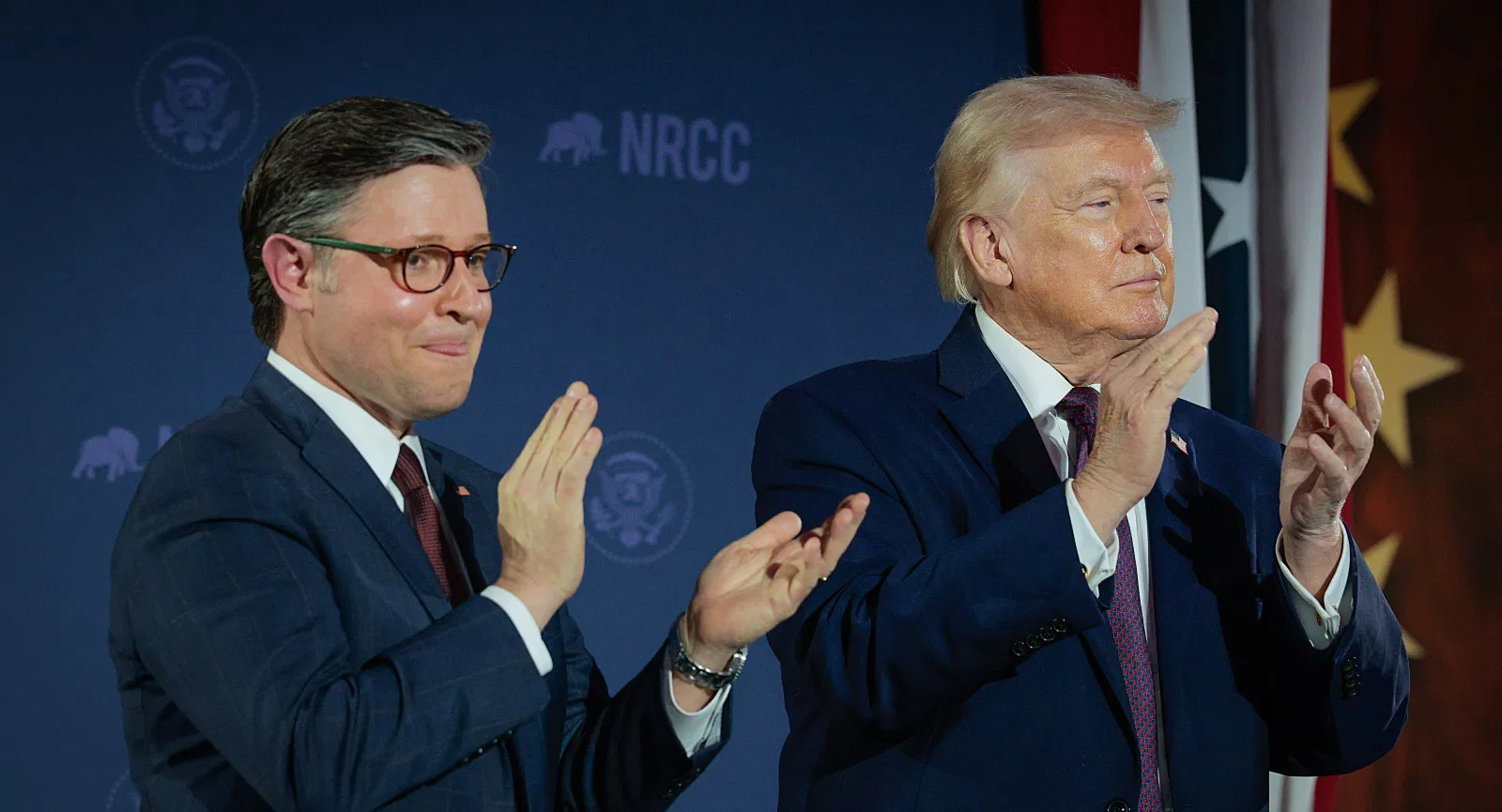
President Donald Trump signed an executive order March 26 barring federal contractors and subcontractors from engaging in diversity, equity, and inclusion practices, according to a White House fact sheet. The order directs the Office of Management and Budget to issue compliance guidance and identify economic sectors where DEI practices are being used.
The directive instructs federal agencies to cancel, terminate, or suspend contracts with companies that refuse to eliminate what it calls “racially discriminatory DEI activities,” according to the fact sheet. It also requires the attorney general to prioritize enforcement of contractual violations tied to DEI policies and ensure prompt review of related civil rights complaints filed by private individuals, The Epoch Times reported.
The order mandates that the Federal Acquisition Regulatory Council revise procurement rules to remove provisions that conflict with the administration’s policy. The administration defines DEI-based activities as practices that treat employees or contractors differently based on race or ethnicity rather than merit.
Trump said such policies increase workforce turnover and impose unnecessary costs on federal agencies by limiting hiring and promotion decisions. “DEI activities also create unnecessary costs by reducing the pool of available labor by artificially limiting companies to hiring or promoting certain individuals,” Trump said.
He added that those costs are ultimately passed on to taxpayers through federal contracts with companies that engage in those practices. Trump also said some contractors have continued to use or conceal DEI-related policies despite prior efforts to eliminate them.
After returning to office in January 2025, Trump issued a broader executive order targeting DEI programs across the federal government. That order required agencies to eliminate DEI offices, positions, and related performance standards tied to employees and contractors.
Trump criticized the prior administration for embedding DEI initiatives across federal agencies through “Equity Action Plans.” “The public release of these plans demonstrated immense public waste and shameful discrimination. That ends today,” he said.
President Trump has not been shy about using his pen to enact change since assuming the presidency in January 2025. He has signed more than 240 executive orders since returning to the White House and has shown no signs of stopping as Congress has remained stagnant on many important issues.
President Trump warned this month that the turmoil surrounding name, image and likeness (NIL) payments in college athletics could destabilize not only sports programs but the broader U.S. higher education system, telling a White House roundtable that “the whole educational system is going to go out of business because of this” if reforms are not enacted quickly.
Trump made the remarks during a summit in the East Room that included lawmakers, conference commissioners, NCAA President Charlie Baker and the CEO of the U.S. Olympic and Paralympic Committee. Notably absent were current college athletes, despite NIL compensation being at the center of the debate.
Asked why he was dedicating time to college sports while the war with Iran and other foreign policy issues dominate headlines, Trump responded bluntly: “The whole educational system is going to go out of business because of this.”
The president said he is preparing an “all-encompassing” executive order within a week aimed at forcing congressional action. He also acknowledged the order could trigger legal challenges that would send the issue back into federal court, potentially revisiting the judicial decisions and settlements that opened the door to widespread NIL compensation.
Trump criticized the recent court-approved settlement that reshaped the NCAA’s compensation model, calling it “horrible” and saying it “threw the sports world and … the college athletic world into ‘tithers.’” The settlement paved the way for schools to share revenue directly with athletes in addition to NIL deals, fundamentally altering the amateur model that had defined college sports for decades.
“I thought the system of scholarships was great,” Trump said, referencing the prior structure in which athletes primarily received tuition, housing and related financial aid rather than direct compensation.
Sitemap | Privacy Policy | Terms