Latest Approval Ratings Reflect Public Opinion on Trump’s Presidency
President Donald Trump and his closest supporters often describe his second term as a period of rapid progress and renewed national strength. In speeches and media appearances, he highlights rising domestic production, new trade strategies, and lower energy costs as evidence that his policies are delivering results. His messaging emphasizes confidence and forward momentum, presenting an image of a country moving decisively toward economic stability and international influence. For his supporters, this narrative reflects strong leadership and clear direction at a time when many Americans want certainty about the nation’s future.
However, as in his first term, Trump’s optimistic portrayal of events has met with continued debate. Political opponents and independent analysts frequently question whether the administration’s success stories fully match measurable outcomes. Many senior officials have aligned themselves closely with the president’s agenda, reinforcing a unified message from within the administration. At the same time, critics remain outspoken, arguing that some policy decisions and executive actions deserve closer scrutiny. This contrast between strong internal loyalty and persistent external criticism has kept public discussion lively and, at times, sharply divided since Trump’s return to office.
Several major policy areas have become central to this ongoing conversation. On the international stage, Trump has positioned himself as a firm negotiator focused on redefining trade and diplomatic relationships. Yet some proposals and public remarks have prompted uncertainty among global partners and foreign policy observers. Domestically, immigration continues to be a key focus, with the administration promoting stricter enforcement measures that appeal to some voters while raising concerns among others. These policy debates, along with ongoing political disputes tied to Trump’s leadership style, have shaped how Americans assess the early months of his second term.
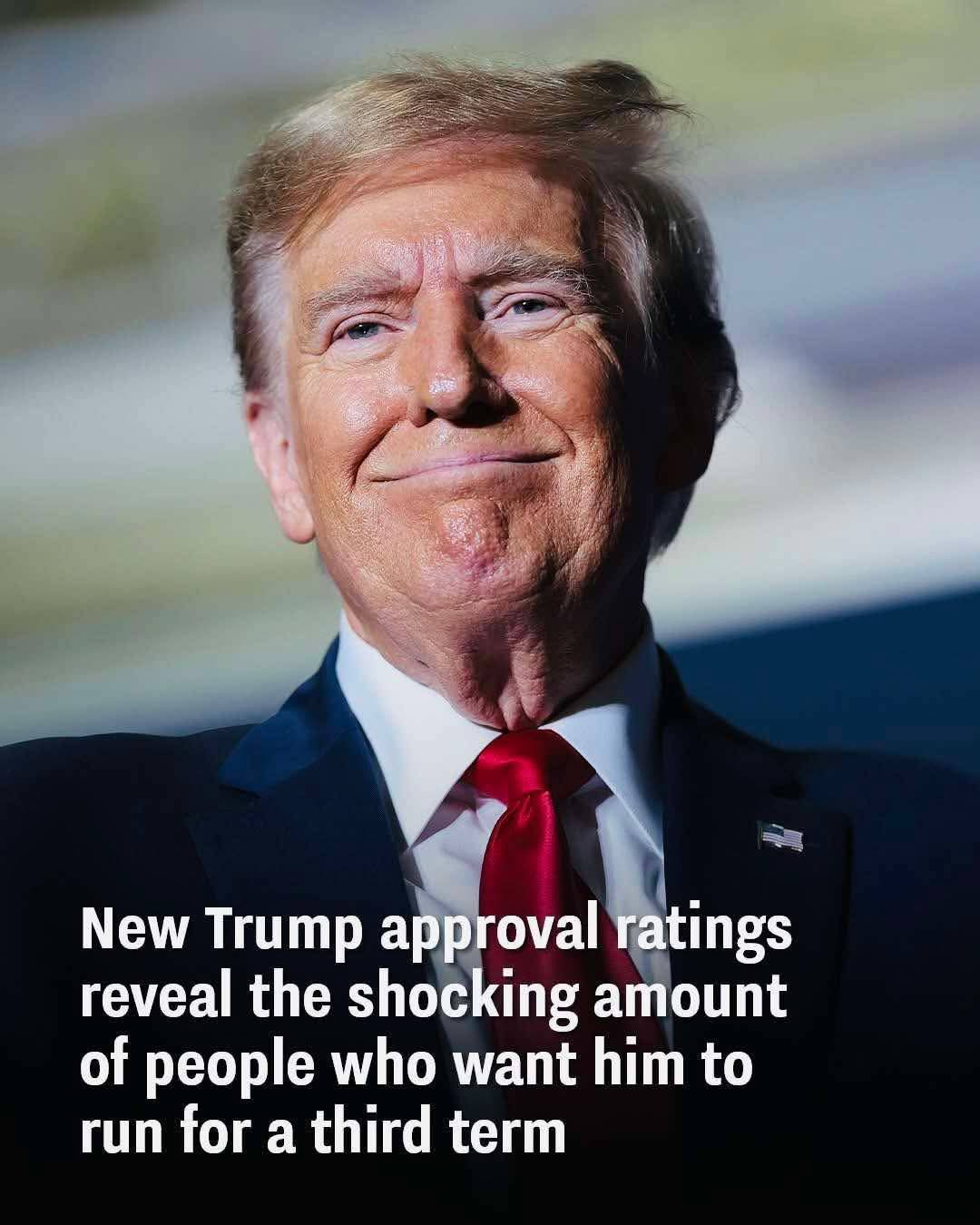
Public opinion surveys reflect this complex political environment. Recent national polling indicates that approval of the president’s performance has remained relatively steady rather than rising significantly. About four in ten American adults express approval of Trump’s job performance, while a larger share report disapproval. Similar patterns appear across evaluations of economic management, foreign relations, trade strategy, and immigration policy. These figures suggest that, despite confident messaging from the administration, a majority of Americans remain cautious or unconvinced about the direction of the country. As the term progresses, this divide between presidential confidence and public hesitation continues to define the national political mood.