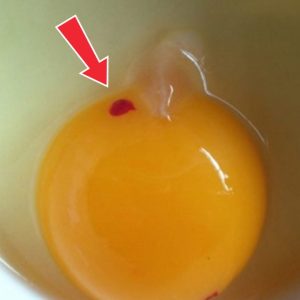
I sneezed 4-5 times yesterday and then felt something tickling my throat. Today, my throat is completely clear after this little thing came out. What is this? Well, you’d better know
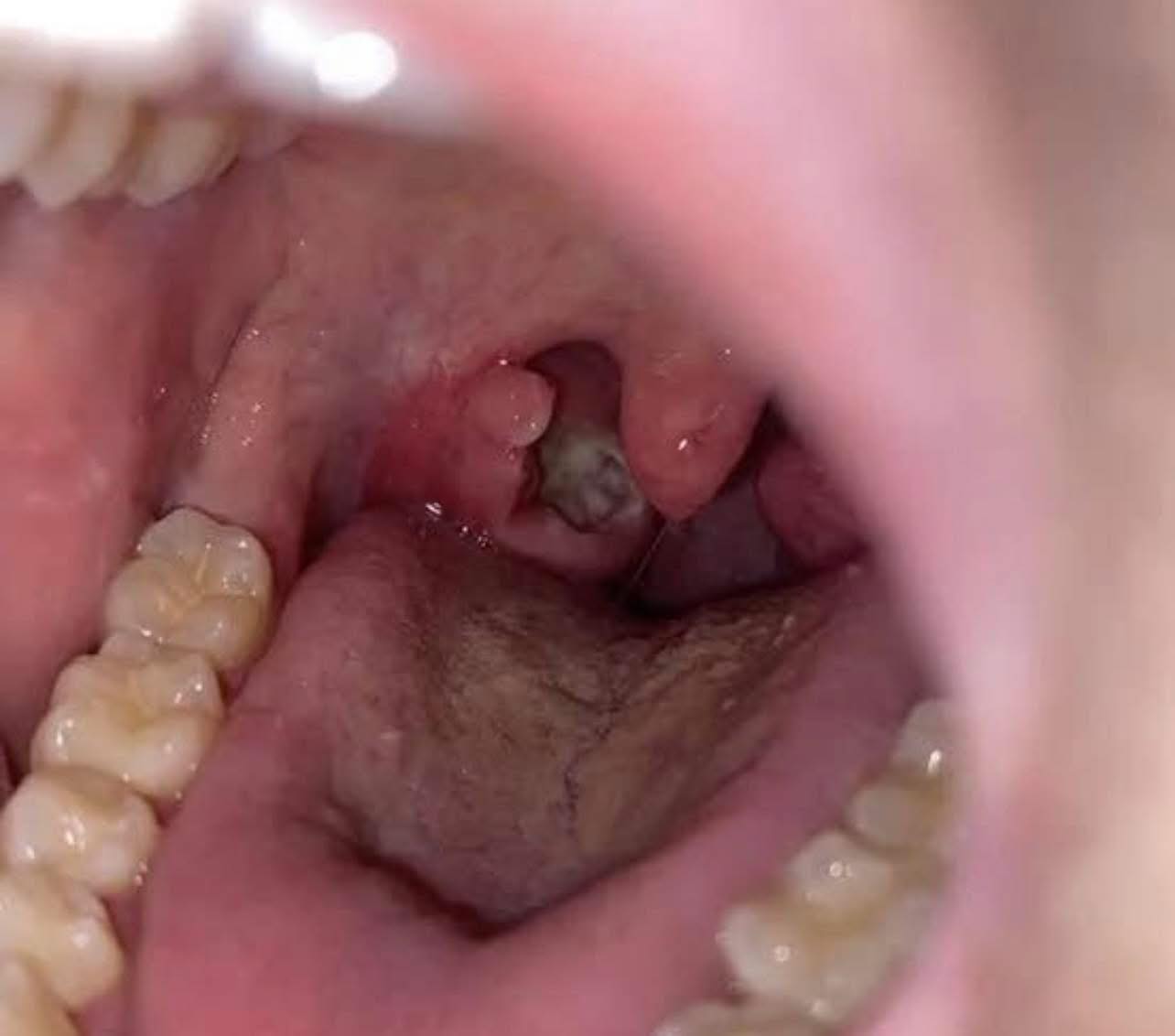
Everything you need know about tonsil stones, odd growths that seem like pimples in your throat.
Tonsil stones are small, pale or white lumps that can appear at the back of the throat, often lodged in the tonsils. At first glance, they may look like pimples or unusual growths, which can be alarming. While they are usually harmless, tonsil stones can be uncomfortable and unpleasant if left untreated.
What Are Tonsil Stones?
Tonsil stones, medically known as tonsilloliths, are hardened deposits made of debris such as food particles, dead cells, mucus, and bacteria. These materials can become trapped in tiny crevices of the tonsils called tonsillar crypts. Over time, they calcify and form small stones.
Why Do Tonsil Stones Form?
Several factors increase the likelihood of developing tonsil stones:
-
Deep tonsil crypts that easily trap debris
-
Poor oral hygiene
-
Chronic tonsillitis or frequent throat infections
-
Postnasal drip or sinus issues
-
Dry mouth, which reduces saliva’s natural cleansing effect
Not everyone with these factors will develop tonsil stones, but they do raise the risk.
Common Symptoms
Some people have tonsil stones without any symptoms. Others may experience:
-
Bad breath (halitosis), the most common complaint
-
A feeling of something stuck in the throat
-
Throat irritation or mild pain
-
Difficulty swallowing
-
Ear pain, due to shared nerve pathways
-
Visible white or yellowish lumps on the tonsils
Are Tonsil Stones Dangerous?
In most cases, tonsil stones are not dangerous. They are not cancerous and rarely cause serious complications. However, large or recurrent tonsil stones can lead to discomfort, chronic bad breath, or repeated infections, which may require medical attention.
How Are Tonsil Stones Diagnosed?
Many tonsil stones are visible during a simple throat inspection. If stones are deep or symptoms are severe, a healthcare provider may use imaging tests or specialized tools to confirm the diagnosis.
How to Remove Tonsil Stones
At-home methods (for small stones):
-
Gargling with warm salt water
-
Using a water flosser on low pressure
-
Gently dislodging them with a cotton swab (with caution)
Medical treatment:
-
Professional removal by a doctor
-
Antibiotics if infection is present
-
In severe or recurring cases, tonsillectomy may be considered
Never force removal if it causes pain or bleeding.
How to Prevent Tonsil Stones
-
Maintain good oral hygiene: brush, floss, and clean the tongue
-
Gargle regularly, especially after meals
-
Stay well-hydrated
-
Treat sinus and allergy problems promptly
-
Avoid smoking
When to See a Doctor
Seek medical advice if you experience:
-
Persistent pain or swelling
-
Recurrent infections
-
Very large tonsil stones
-
Difficulty swallowing or breathing
Final Thoughts
Tonsil stones may look strange and uncomfortable, but they are usually harmless. Understanding what they are and how to manage them can reduce anxiety and prevent recurrence. With proper hygiene and care, most people can keep tonsil stones under control.