
Between the ages of 65 and 85: if you can still do these 5 things on your own, you’re stronger than you think
As people age, it’s not uncommon to run into comments that sound defeating. While most of those comments come as casual remarks, such as “you are too old for that,” and “maybe it’s just the time to slow down,” for those hearing them, they sound like judgements. And it’snot hard to see why. Hearing comments like these creates this false impression that getting older automatically mean losing your strength and independence.
The good thing is that the reality is way more inspiring.
I’ve met plenty of people in their 60s, 70’s, and even beyond, who are still strong, both mentally and physically. And this isn’t a rare occasion. When you take your time and take a closer look at the people around you, you’ll understand that there isn’t just one single way of aging. Why do I say this, you may wonder. Well, that’s because there are a lot of elderly people who are active, independent, and show no signs of slowing down. What’s more, they do manage to handle their daily lives with a lot of confidence.
When you think about it, strength at this point in life is not about some extraordinary achievements, but the small everyday moments that remind you you are still in charge of your independence, your resilience, and your sharp mind.
Take cooking dinner for yourself as an example. Or running your own errands, moving comfortably on your own, engaging into conversations with those around you; all this shows just how strong you are despite your advanced age.
Here are five easy signs that show your strength if you are 65 to 85 or beyond, even if you don’t actually realize it.
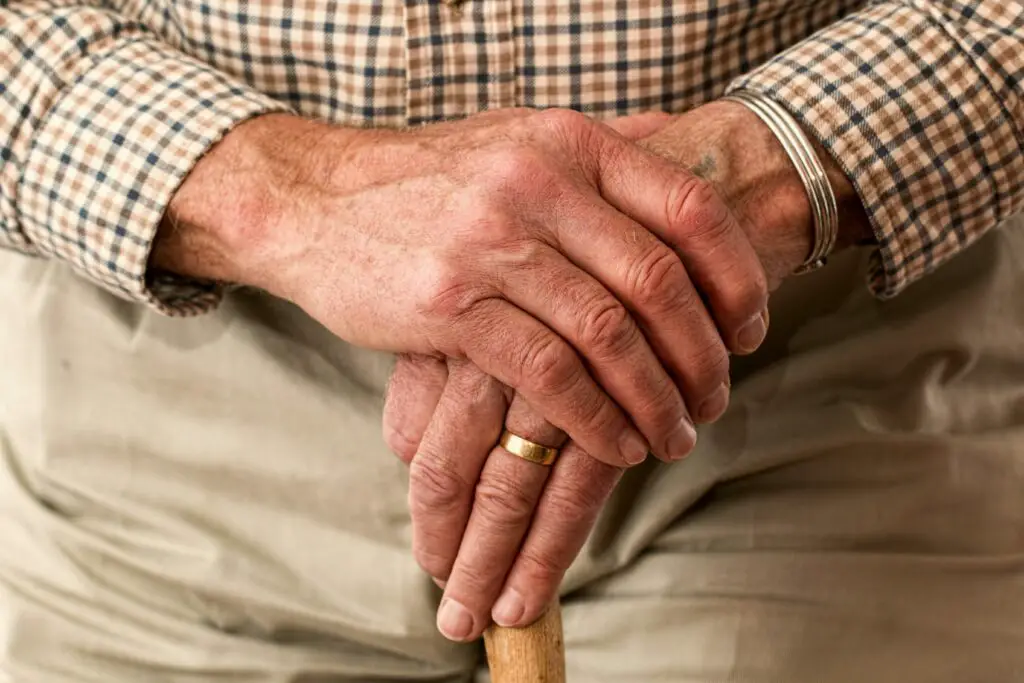
1. Getting up and moving around without help
At first glance, standing up from a chair and walking around the house, or even climbing a few stairs, doesn’t seem like a big deal. We do it plenty of times throughout the day without a second thought. However, when you think about it, even something as simple as this requires a lot of effort. First, your muscles need to find the power to lift you up, and your joints need to move smoothly as well, while your brain needs to coordinate all this and keep your body balanced. Further, walking requires even more effort and more cooperation between your nerves, your muscles, and the balance system in your inner ear.
So, if you are between the age of 65 and 85 and you are still able to get out of chair and walk around your house, you need to know that it’s a huge sign of physical independence and definitely a sign that several key system are still running smoothly: muscle strength, joint mobility, balance and coordination, and neurological control.
When you are mobile at advanced age, that helps with the overall well-being. Among the rest, this helps with circulation, bone density, and keeping your energy levels high. And probably the most important aspect of staying mobile is that you get to look after yourself and go along with your daily routines while having the sense of freedom.

2. Going out to shop and run errands alone
Some of us enjoy running errands, while some find it annoying and demanding. Whatever it is, running errands calls upon a surprising number of mental and physical skills. Let’s think about all the things this activity actually consists of. First, there is a list of things we need to remember even before heading to the store, we then need to navigate through streets, talk to people we meet on the way, and make a bunch of tiny decisions along the way. it’s safe to say that running errands is a sort of mental exercise that involves various skills, and they include:
Orientation – knowing where we are and where we need to be.
Memory – remembering the list of things we need to get from the store.
Decision making – Deciding what exactly to buy and manage our money.
Attention – being aware of the surrounding and pay attention to what is going on around us.
Now when you thing about it, it doesn’t sound like a big deal, but for someone who has reached certain age, being capable to do so, it easily means their brain is still sharp and efficient.
When you manage to do your own errands, it speaks volumes of your cognitive abilities and self-reliance.

3. Cooking or preparing your own food
Cooking is yet another seemingly simple task like the ones described above, but in reality, it involves a lot of moving.
When it comes to cooking your own food at the age of 80 and above, it’s not just about the food but about a workout of your mind and body. The process of preparing your own food asks for memory, coordination, focus, and a lot of planning. If you consider everything that’s going on in your mind while cooking, you’ll get to realize the following:
Your memory sharpens as you need to remember all of the ingredients for a specific meal, your coordination is in good shape if you still chop your own vegetables and use utensils, your focus is all good as you monitor the heat and the cooking time, and you keep on track with your planning skills, because we all know that making a dish involves managing a number of things all at the same time.
So, if you are between 65 and 85 and you are still making your own food, you should be proud of yourself, because it’s an obvious indicator that your memory, concentration, physical condition work just fine.
Of course, there’s also something else in play here. When you cook your own food, even the most simple dish out there, you are independent and show signs of self-care, something truly important at old age.

4. Having conversations and learning new things
One of the most obvious signs of mental vitality is the ability to communicate with others, share ideas, and stay curious about the world around you.
I’ve never actually seen it that way, but conversation is far more complex that we think. When we talk to someone, our brain processes language at an enormous speed, we recall memories, articulate ideas, and respond in real time. For people in their 60s, 70s, and 80s, the capacity to engage in conversation is a clear indication that the brain’s “gears” are still running smoothly.
This, however, is just one part of the story.
Many people who belong in this age group learn new things all the time. For example, they learn how to use the new technology, such as smartphones and tablets, in order to stay connected with friends and family. Others still read books, stay up on the news, and even take up new hobbies.
The fact is that learning at any age is great for keeping the brain stimulated and flexible, and even research confirms this. When we keep the brain actively engaged, we help brain function, support our memory and attention, and keep our problem-solving skills sharp.
At the heart of all this is curiosity. People who are curious about the world around them, ask questions, and seek new experiences, stay truly engaged with the world. Regardless of age, curiosity is one of the greatest strengths a person can possess.

5. Maintaining relationships
While staying physically and mentally fit at older age is vital, possessing emotional strength is as important.
When we care about the relationships we have with others, socialize with friends and family, and enjoy good company, we are in fact emotionally healthy. Being social is not just a ‘nice to have,’ but a fundamental aspect of overall well-being. In fact, people who stay socially active at older age are generally more satisfied, more resilient, and have a much better quality of life.
Even small talks with neighbors, sharing a meal with a friend, and have a good laugh with someone can work wonders for your emotional balance.
At the same time, socializing is a good exercise for the brain. Every conversation you have will tap into your memory banks, refine your language skills, and enhance your emotional intelligence. And while all of that is good for the mind, it is relationships that bring flavor and meaning to our lives, that make us aware that we are part of a group, and that we belong.

Conclusion
When people think of the word strength, the first thing that pops up is lifting weights, running a marathon, or competing in sports. However, as we age, the real meaning of the word “strength” starts to change.
When people past the age of 65, what strength means to them is the independence, the resilience, and the ability to maintain a fulfilling life.
So, aging doesn’t erase strength, it just reshapes it. It’s so easy to forget the significance of our day-to-day abilities because they’re considered something normal. But the truth is, these simple things are the result of years of resilience and learning how to adapt. Every time you take an independent step, every time you talk to someone, and every time you cook a meal is a reminder that the energy of life does not go away as the years go by.
Please SHARE this article with your family and friends on Facebook.